WHAT TO KNOW
- A dog is a lifetime commitment, including the senior years.
- A properly fitted collar or harness, a dog-proofed home and good nutrition protect your dog’s safety and health.
- Plan for vet costs, patient training and backup care, and consider adopting.
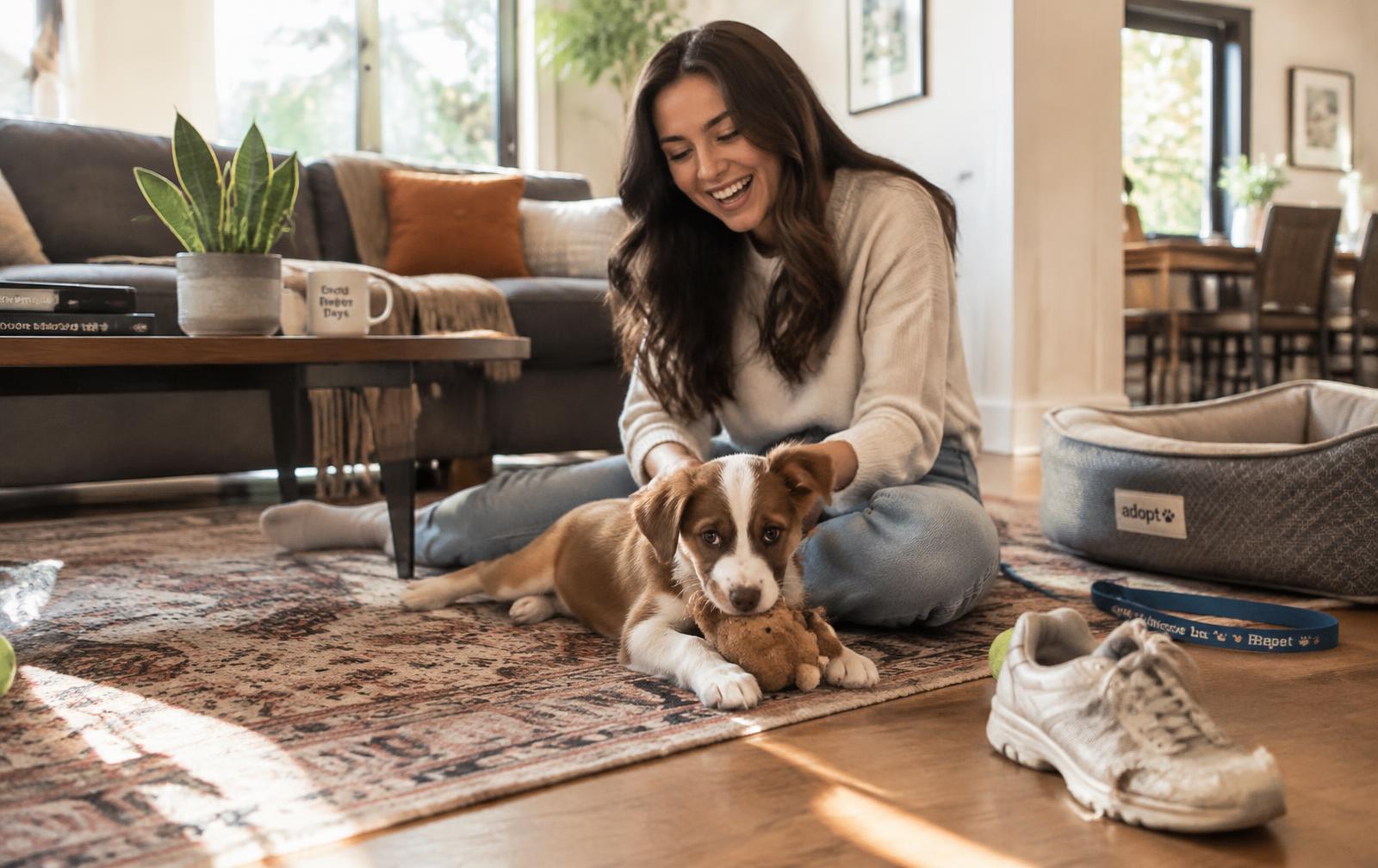
Before you fall in love with those puppy eyes, let's talk about something that doesn't get nearly enough attention: the responsibility that comes with bringing a dog into your life.
Dogs bring an incredible amount of love, companionship, and joy. But they also require time, patience, money, and a commitment that lasts well beyond the puppy stage.
As The Rescue Dog Realtor®, I'm passionate about rescue dogs and helping people understand what it really means to give a dog a lifelong home.
Here are a few things every prospective dog owner should consider.
1. It's a Lifetime Commitment
Bringing home a dog isn't just about having someone to cuddle with on the couch.
You're making a commitment to care for that animal through every stage of life.
That includes the fun stuff, like walks, playtime, and adventures, but also the difficult moments. Illness, injuries, behavioral challenges, unexpected expenses, and the changes that come with aging are all part of dog ownership.
Dogs depend on us to make decisions in their best interests, even when those decisions aren't convenient.
Before adopting, ask yourself whether you're prepared for that responsibility.
2. The Right Collar and Harness Can Save Your Dog's Life
This is something I feel particularly strongly about.
An improperly fitted collar or harness can become a serious safety issue, especially with a frightened dog or an escape artist.
A collar that's too loose can slip right over a dog's head. A harness that's too large may allow a dog to back out of it, sometimes in seconds.
And believe me, some dogs are exceptionally good at figuring out how to escape.
A few precautions can make a big difference:
- Measure your dog's neck and chest before purchasing equipment.
- Check that the collar fits securely without restricting breathing.
- Choose a harness appropriate for your dog's size, body shape, and behavior.
- Consider an escape-resistant harness for dogs prone to backing out.
- Use a secure backup connection between the harness and collar when appropriate.
- Inspect leashes, clips, and fasteners regularly for wear.
I personally like having a backup connection because I've experienced equipment coming loose. It's a frightening situation, and one I'd rather help someone avoid.
Remember, even a well-trained dog can panic when startled.
Properly fitted equipment isn't just an accessory. It's an important part of keeping your dog safe.
3. Dog-Proof Your Home Before They Arrive
Puppies are curious, but adult dogs can get into plenty of trouble, too.
Before bringing a new dog home, take a look around your house from their perspective.
Electrical cords, medications, cleaning supplies, chocolate, certain houseplants, and unsecured trash can all pose dangers.
Make sure potentially harmful items are out of reach, secure doors and gates, and check fencing for gaps or escape routes.
If you're moving into a new home with your dog, take extra precautions during the transition. An unfamiliar environment can be stressful, even for a normally confident dog.
A little preparation can prevent a heartbreaking accident.
4. Good Nutrition Matters
What you feed your dog plays an important role in their health and well-being.
But choosing the right food can be confusing, especially with so many brands, ingredients, and marketing claims.
Expensive doesn't automatically mean better, and terms like "premium" or "human-grade" don't necessarily tell you whether a diet meets your dog's nutritional needs.
The important thing is choosing a complete and balanced diet appropriate for your dog's age, health, and individual requirements.
If you're considering fresh food or a homemade diet, talk with your veterinarian. Homemade meals need to be carefully formulated to avoid nutritional deficiencies.
I've personally chosen to feed my dog JustFoodForDogs because it's a good fit for us, but every dog is different.
Do your research, ask questions, and make decisions based on your dog's needs rather than advertising alone.
5. Veterinary Care Can Get Expensive
Routine veterinary care is part of responsible dog ownership.
So are the unexpected expenses.
An emergency visit, surgery, diagnostic testing, or treatment for a chronic condition can quickly become costly.
Before adopting, consider how you'll handle both regular and unexpected veterinary bills.
Pet insurance is one option worth exploring, but policies vary considerably. Pay attention to deductibles, reimbursement rates, waiting periods, exclusions, and coverage limits.
Another option is establishing a dedicated emergency savings fund.
Financing programs may also be available, but be sure you understand the repayment terms and any potential interest charges.
And don't forget preventive care. Regular veterinary visits, vaccinations, parasite prevention, and dental care can help protect your dog's health.
The goal is to have a plan before an emergency happens.
6. Training Takes Patience and Understanding
Not every dog arrives knowing how to behave in a human household.
Some need help learning basic manners. Others may struggle with fear, anxiety, separation-related behaviors, or unfamiliar situations.
This is especially important to understand when adopting a rescue dog.
A dog who's been through a stressful experience may need time to decompress and feel secure.
Training should focus on building trust, communication, and confidence, not simply correcting unwanted behavior.
Positive reinforcement methods can help dogs learn while strengthening their relationship with you.
And if your dog is struggling, don't be afraid to seek professional help from a qualified, humane trainer or veterinary behavior professional.
Behavioral challenges don't automatically mean a dog is a bad fit. Sometimes they mean the dog needs more support than you originally expected.
That support can make an enormous difference.
7. Who Will Care for Your Dog When You Can't?
Vacations, work schedules, illness, and emergencies don't disappear when you adopt a dog.
You need a plan for who will care for your pet when you're unavailable.
Whether you choose a trusted friend, professional pet sitter, or boarding facility, do your homework.
Ask about experience, supervision, safety procedures, medication administration, and how emergencies are handled.
For boarding facilities, ask about vaccination requirements, staff availability, and how dogs are separated or introduced.
Not every dog enjoys boarding or group play, so choose arrangements that suit your dog's personality and comfort level.
And always leave clear instructions, emergency contacts, and your veterinarian's information.
8. Senior Dogs Deserve Our Commitment, Too
One day, that energetic puppy will become a senior.
Walks may get shorter. Veterinary visits may become more frequent. Your dog might need medication, mobility assistance, dietary changes, or a little extra help getting comfortable.
This stage of life deserves just as much love and attention as the early years.
Planning ahead financially and emotionally can help you make thoughtful decisions as your dog's needs change.
It's also important to have conversations with your veterinarian about comfort, quality of life, and end-of-life care when the time comes.
Those conversations aren't easy, but they're part of the promise we make when we bring an animal into our family.
9. Consider Adoption
If you've thought through the responsibilities and you're ready to welcome a dog into your life, please consider adoption.
Animal shelters and rescue organizations are filled with wonderful dogs of different ages, sizes, personalities, and energy levels.
Not every dog will be the right match for every household, and that's okay.
Take your time. Ask questions about temperament, medical needs, behavior, and compatibility with your lifestyle.
A good match isn't just about finding a dog you love. It's about finding a dog whose needs you're prepared to meet.
Renee's Advice
I love dogs. That's no secret.
But loving dogs also means being realistic about what they need from us.
They're not accessories, temporary companions, or something to give up on when life gets complicated.
They're living beings who depend on us for safety, stability, and care.
And while responsible rehoming may sometimes be necessary when circumstances genuinely change, adopting a dog should always begin with the intention of providing a lifelong home.
As The Rescue Dog Realtor®, supporting animal rescue is an important part of who I am. With every successful home sale, I give back to the rescue organizations working tirelessly to give dogs a second chance.
Whether you're preparing your home for a newly adopted dog or simply considering adding a furry family member, I hope this helps you make an informed decision.
Because bringing a dog home should be the beginning of a wonderful commitment, not an impulse decision.
A NOTE FROM RENEE
Real answers. Personal guidance.
Buying or selling in Orange County, Los Angeles or San Diego? Let’s talk about your goals.
Let’s talk